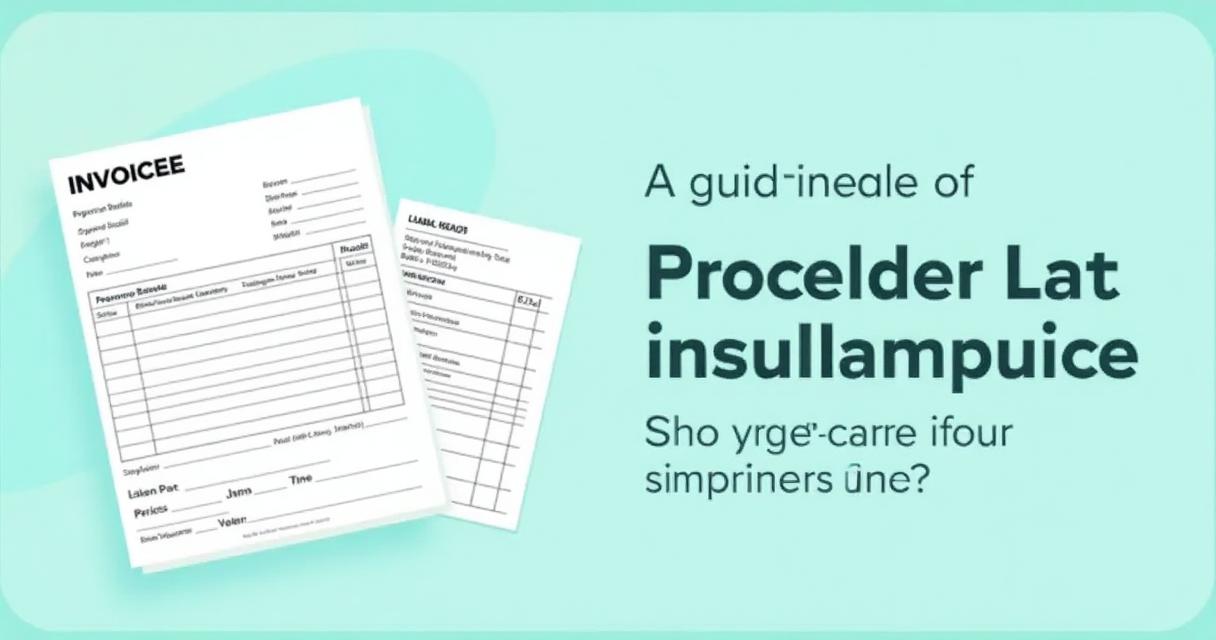
Why Invoice Rules Depend on Where You Operate
A freelancer based in the United States and a freelancer based in Germany face very different invoicing rules. US federal tax law does not prescribe a specific invoice format; instead it focuses on the records you keep to support the income and expenses on your return. Germany, by contrast, has detailed statutory invoice content requirements under the Umsatzsteuergesetz (UStG), plus an evolving e-invoicing framework for business-to-business transactions. Mixing these two systems up is a risk when they search for generic invoicing advice online. This guide keeps the two scopes separate so you can apply the rules that actually govern your business.
Who this guide is for
- US sole proprietors and independent contractors who invoice clients and need records that hold up under IRS recordkeeping rules
- Freelancers and small businesses in Germany who must meet UStG invoice content rules and track the shift toward electronic invoices
- Anyone who serves clients in both markets and wants to avoid applying the wrong country's rules to the wrong invoice
Part 1: United States - Invoices Are a Recordkeeping Matter, Not a Format Mandate
The IRS does not publish a mandatory invoice template or a federal numbering scheme for freelancers. What the IRS does require is that a self-employed sole proprietor keep adequate books and records that clearly reflect income and expenses, consistent with IRS Publication 583 and Publication 334. An invoice is simply one of the supporting documents you use to substantiate the income you report on Schedule C.
Two provisions of the Internal Revenue Code sit behind this expectation. Section 6001 gives the Secretary authority to require any person liable for tax to keep records sufficient to show whether that person owes tax. Section 446 requires that taxable income be computed under a consistent accounting method, which is one reason your invoices and your bookkeeping method (cash or accrual) need to match up over time.
What a US freelancer invoice should practically include
| Element | Why it matters for US records |
|---|---|
| Your business name and address | Identifies the payer relationship for your own files and the client's records |
| Client name and address | Supports that the payment relates to a specific trade or business activity |
| Invoice date and a unique number | Helps you reconcile invoices to bank deposits when reporting gross receipts on Schedule C |
| Description of services and amount | Documents the nature of the income, useful if the IRS ever asks you to substantiate an entry |
| Payment terms | Not a federal requirement, but helps you track accrual versus receipt timing under your chosen accounting method |
Keep copies of invoices along with bank statements and any 1099-NEC or 1099-K forms you receive. There is no single federally mandated retention period for every document, but Publication 583 explains how long records typically need to be kept based on the item they support, so check the current publication when you set your own retention schedule rather than guessing a number.
Part 2: Germany - Statutory Invoice Content Under the UStG
Germany's rules are different in kind, not just in detail. Section 14 of the UStG defines what counts as a Rechnung (invoice) and sets out the mandatory content for a valid invoice, Generally, Section 14(4) requires supplier and customer names and addresses, the supplier's tax number or VAT identification number, issue date, an invoice number assigned once within a numbering series, a description and quantity or scope of the supply, supply date and remuneration broken down by tax treatment. Taxable invoices show the applicable rate and tax amount; where an exemption applies, the relevant exemption information is needed instead. Exceptions and special arrangements must be checked separately. Section 14a UStG adds further obligations for specific cross-border and special cases, such as intra-community supplies.
The shift toward e-invoicing
Germany has also been moving toward structured electronic invoices for domestic business-to-business transactions. The Bundesfinanzministerium (BMF) publishes an official FAQ on the mandatory e-invoice rules that explains format requirements, exceptions, and how the obligation interacts with Section 14 UStG. Because transition rules and thresholds have been subject to change and depend on turnover and counterparty type, freelancers working with German business clients should check the current BMF e-invoice FAQ directly rather than relying on a fixed date or amount repeated secondhand.
A Concrete Example
Consider two hypothetical copywriters: Mia is a US sole proprietor serving a Chicago client, and Lukas is established in Germany and supplies a German business customer. Mia records an invoice for three assignments at $200 each, totaling $600, and matches the subsequent payment to her income records under her accounting method. Lukas must assess the German VAT treatment of his own transaction and, where Section 14 applies, include the relevant invoice particulars and format. No VAT rate or tax result is assumed here. The example involves two different suppliers, not a rule that Mia automatically acquires German invoicing duties merely because a customer is in Munich.
Cross-border customers require a separate check
Supplier establishment, customer status and the place-of-supply rules, including Section 3a UStG for services, affect the analysis. Section 14a can add requirements such as a reverse-charge indication in the applicable case. Do not infer the tax treatment from the client's postal address alone; check the exact transaction and obtain advice where necessary.
Common Invoicing Mistakes
- Assuming a single "global" invoice template satisfies both US recordkeeping expectations and German statutory content rules
- Leaving out required supplier tax identification when the applicable German invoice rules require it
- Reusing a number or losing the correction trail. Section 14(4) requires an invoice number assigned once within a series; a gap does not automatically establish an invalid invoice
- Not keeping a matching record of bank deposits against invoices issued, which weakens support for Schedule C income
- Assuming an e-invoice mandate applies to every transaction without checking the current BMF FAQ for the relevant exceptions and your own situation
Keeping Invoicing and Bookkeeping Aligned
Whichever country's rules apply to a given invoice, the underlying discipline is the same: issue the invoice promptly, record it in your books using a consistent method, and store the supporting document somewhere you can retrieve it quickly. The invoice generator can help draft a document, but you must review the fields, tax treatment and required format yourself. A PDF is not automatically a German structured e-invoice, and generating it does not create a complete accounting or retention system.
For related reading on keeping your records in order, see our guides on how long to keep business receipts and tax-deductible expenses for the self-employed.
Conclusion
Correct invoicing is not one universal checklist. US freelancers should focus on recordkeeping adequacy under IRC rules and IRS guidance, while suppliers whose transactions are governed by German invoicing rules need to consider UStG Sections 14 and 14a and stay current on e-invoicing developments through the official BMF FAQ. Keep the two frameworks separate, verify current thresholds and dates directly from official sources, rather than treating a template as a compliance guarantee.
Sources
- IRS Publication 583, Starting a Business and Keeping Records
- IRS Publication 334, Tax Guide for Small Business
- 26 U.S. Code Section 6001
- 26 U.S. Code Section 446
- UStG Section 14, Ausstellung von Rechnungen
- UStG Section 14a, Zusätzliche Pflichten bei der Ausstellung von Rechnungen
- BMF FAQ: Fragen und Antworten zur E-Rechnung
This article provides general information and does not replace individual tax advice or legal advice. Rules change and individual circumstances vary, so confirm current requirements with a qualified tax advisor or the official sources linked above before acting.